
- You are here:
- Home »
- Blog »
- Uncategorized »
- How to Add Shading and Detail in Many People Portrait
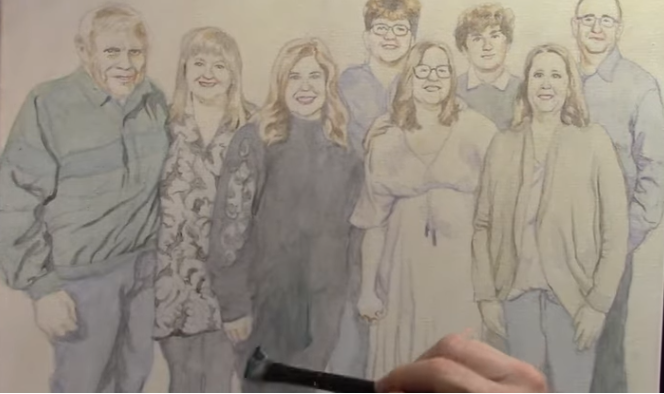
How to Add Shading and Detail in Many People Portrait
Mastering acrylic glazing to bring realism and cohesion to group portraits
Painting a portrait of several people can feel overwhelming, especially when trying to maintain cohesive shading, tonal values, and color harmony. Using the glazing technique in acrylics allows artists to gradually build up depth and detail while preserving the underlying structure.
This approach is particularly effective when working on group portraits, as it enables consistent tonal relationships and a unified visual style.
Preparing Your Portrait
Before beginning your shading and detail work, ensure your portrait has a solid base layer. For a group portrait, it’s essential to block in the structure of all figures first. This means establishing the shapes, positions, and basic color zones. Once the initial layers are in place, you can start building depth and enhancing details using translucent glazes.
Tip: Work on all figures simultaneously rather than finishing one person at a time. This approach helps maintain cohesive contrast and color harmony across the entire portrait.
Understanding the Glazing Technique
Glazing is a process that involves mixing paint with a large proportion of matte medium to create a translucent layer. The typical ratio is about 90% matte medium to 10% paint, though this can be adjusted depending on the opacity needed. By applying multiple thin layers, the artist can gradually intensify shading, deepen colors, and adjust tonal values without obscuring the layers beneath.
Technique:
- Prepare your glaze on a separate mixing area of your palette.
- Control the ratio carefully to ensure subtle, translucent applications.
- Apply with smooth, short strokes, blending as needed to avoid harsh transitions.
Building Background and Depth
Even subtle glazes on the background can enhance the overall depth of a group portrait. Mixing neutral tones, such as raw umber with ultramarine blue, creates a gray that doesn’t compete with the figures while adding warmth and dimension. Apply using short diagonal strokes to keep the texture organic. Avoid overdoing it, and occasionally use a dry brush to create soft, natural transitions.
Pro Tip: Dry brushing is useful but can wear down brushes. Consider using less expensive brushes for this technique, or repurpose old brushes for crafts after use.
Adding Color and Shading to Clothing
Once the background is in place, focus on the clothing and secondary elements. Mix colors to match your reference photo while keeping them slightly desaturated for realism. For example, blending raw sienna with phthalo blue and a touch of ultramarine creates muted green tones suitable for clothing.
Key Points:
- Use a smaller brush for better control and precision.
- If a color isn’t perfect on the first pass, rely on the glazing technique to adjust gradually.
- Introduce small touches of complementary hues across different figures to enhance color harmony.
Example: A greenish hue on one person’s jacket can be repeated subtly in another person’s clothing, promoting cohesion without looking forced.
Working with Tonal Values
Glazes allow you to enhance shadows, contrast, and depth. For areas meant to be black or very dark, apply a few translucent layers first. Each layer adds richness and intensity without flattening the texture of the underlying paint. Smooth, even strokes should be used to push the paint into the weave of the canvas initially, then blend lightly with shorter strokes for a seamless finish.
Tip: Step back frequently to assess tonal relationships across all figures. Adjust glazes to ensure no single area appears disconnected from the rest of the composition.
Maintaining Color Harmony
When painting multiple figures, consider how colors interact across the portrait. You don’t need to strictly replicate the reference photo if a small color adjustment improves overall harmony. For instance, a subtle greenish glaze on one figure’s clothing might also enhance another figure’s pants or accessories, creating a visual connection that strengthens the composition.
Technique: Think of glazes like layers of stained glass: overlapping translucent colors can shift the perception of underlying hues, enhancing depth and cohesion.
Final Adjustments and Tips
- Apply glazes incrementally, building layers rather than rushing for opacity.
- Blend carefully to avoid harsh lines or unintentional textures.
- Use reference photos as a guide but allow artistic judgment for adjustments that improve harmony.
- Focus on working simultaneously on all figures to maintain consistent tonal values.
- Evaluate the portrait under natural light to check for subtle discrepancies in color or contrast.
FAQs
What is the glazing technique?
Glazing uses thin, translucent layers of paint mixed with matte medium to build depth, shading, and detail without covering previous layers.
Should I paint one figure at a time or all at once?
Work on all figures simultaneously for consistent tonal values, contrast, and color harmony across the portrait.
Can I tweak colors from my reference photo?
Yes. Subtle adjustments can improve cohesion and make your portrait more visually appealing.
How do I avoid damaging brushes when glazing?
Use affordable brushes or repurpose old ones. Clean thoroughly after each session to extend their life
How can I darken clothing or backgrounds naturally?
Apply multiple translucent layers, starting with smooth strokes and blending lightly for realistic shadows.
How do I maintain color harmony in a group portrait?
Repeat small touches of a color from one figure subtly on others to create unity and visual balance.
How do I create realistic black or dark areas?
Build darkness gradually with glazes instead of painting opaque black immediately to preserve depth and texture.
How do I know when the portrait is finished?
When shading, tonal balance, and color harmony are consistent, details are preserved, and the overall composition feels cohesive.
Conclusion
Adding shading and detail to a portrait of multiple people requires patience and thoughtful layering. The glazing technique provides a methodical way to enhance depth, tonal value, and color harmony while preserving the details of the initial layers. By working on all figures simultaneously, artists achieve a cohesive, realistic group portrait that reflects careful observation and skillful application.
For more tutorials, tips, and classes on realistic acrylic portrait painting, visit Realistic Acrylic Portrait School.
- How to Paint Foliage Using the Acrylic Glazing Technique
- How to Trace for an Accurate Portrait Sketch
- How to Paint Realistic Eyes in Your Acrylic Portrait
- How to Add Raw Umber Dark & Ultramarine Blue to Your Portrait
- How to Make Your Own Raw Umber Dark
- How to Paint Realistic Trees & Grass in Your Acrylic
- How to Block In Skin Tone Values Using Glazing Technique
- How to Paint Vibrant Reds in Your Acrylic Portrait
- How to Glaze Background Colors & More Acrylic Portrait
- How to Paint White Clothing in Your Acrylic Portrait
- How to Easily Transition from a Sketch to a Painting
- How to Block In Shading & Skin Tones in Your Acrylic
- How to Build Up Color on Acrylic Pet Portrait
- How to Build Up Form on Clothing with Acrylic
- How to Paint Dark Clothing Using Acrylic Glazing Technique
- How to Paint a 24 x 30 Acrylic With 30 People
- How to Do Smooth Shading with Acrylic
- How to Sketch an Acrylic Portrait with a Grid
Read more about how to paint a portrait that you can surely be proud of!
I’d love to hear your thoughts on this video. Please share it with your friends and family. Let me know if you have any further questions. I’ll greatly help you.
If you’d like to learn more, sign up for my free email tips and video class today.
Learn How to Paint Acrylic Portraits With My Free Mini-Video Course!
Thank you so much for taking the time to read this tutorial and watch the video. That means a lot to me. I hope you find it very helpful in your portrait painting.
Yours for Better Portraits,

P.S. Did you find this post helpful or encouraging? If so, send it in ahead! Let others know with the share buttons below. I’d love to hear your comments. Thank you so much! Also, do you have a question on acrylic portrait painting you’d like answered? Let me know, and I’d be happy to help!