
Archive Monthly Archives: June 2025
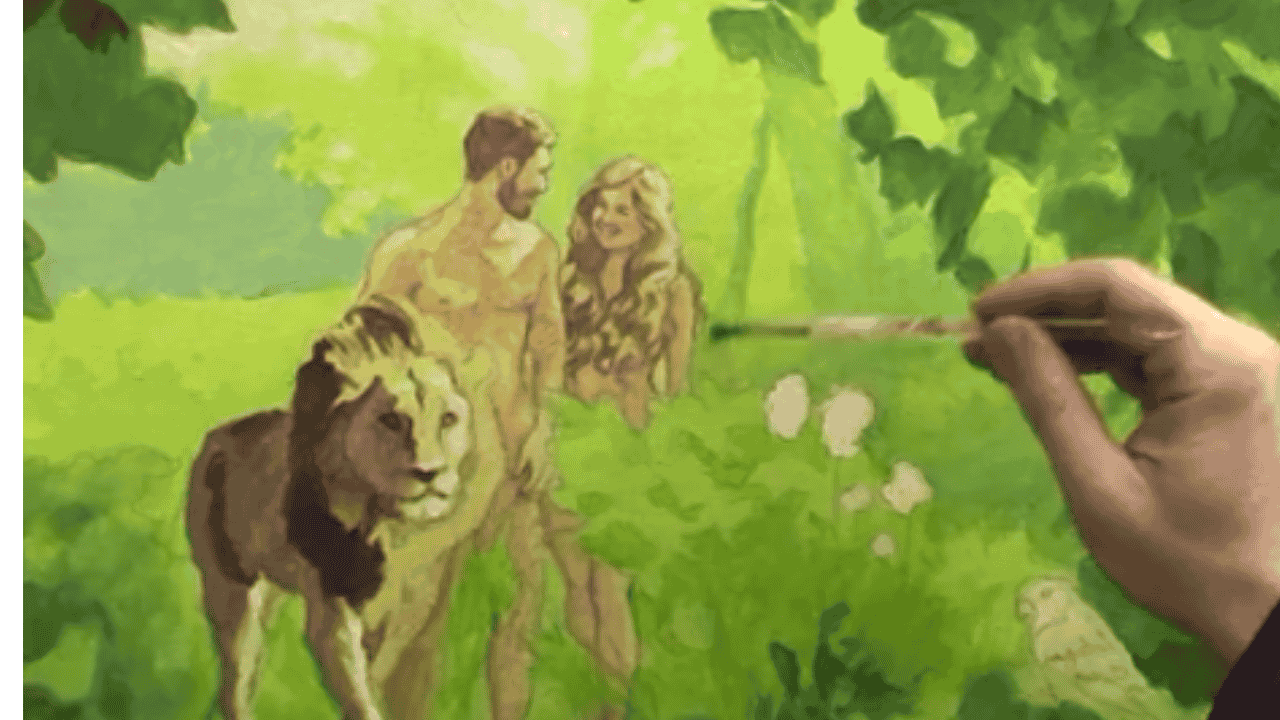
How to Paint Vibrant Foliage an Garden Scene Using Glazing Techniques
Discover how to build rich color, depth, and contrast in your acrylic painting by layering glazes in a serene Garden of Eden scene.
In this step-by-step tutorial, you’ll learn how to add color, detail, and life to your acrylic portrait using the glazing technique. I’ll share how I progresses on his Garden of Eden book illustration featuring Adam and Eve, by painting lush foliage and vibrant skin tones. Acrylic glazing allows color to be built up in translucent layers, preserving the integrity of your sketch while gradually introducing depth, vibrance, and texture.
You’ll follow a real-time demonstration where dark tonal values are layered to suggest depth in the canopy above, and vibrant green hues are blended to bring leaves and floral elements to life all while keeping your values in balance and your details subtle yet intentional.
Why Acrylic Glazing Works for Layering Foliage
Acrylic glazing is a powerful technique for artists seeking to enhance contrast without sacrificing detail. By applying multiple translucent layers of paint, light can pass through and reflect back, creating a natural luminosity in the foliage.
Benefits of this technique include:
- Gradual color build-up for smooth transitions
- Preservation of sketch details
- Greater control over tone, hue, and opacity
- Realistic light and shadow effects
Painting Foliage with Glazing: Step-by-Step Process
1. Mixing Rich, Deep Colors
To begin building contrast in the upper foliage, a mix of raw umber dark, ultramarine blue, and Indian yellow is used. Phthalo blue is added with caution due to its strength. A touch of raw sienna is introduced to increase opacity without dulling the tone, avoiding the flattening effect of titanium white.
Tip: Use raw sienna for opacity without sacrificing vibrancy. White can desaturate your color if used excessively.
2. Blocking in the Canopy
A round brush is applied with heavier pressure to scrub pigment into the upper areas of the composition. Shapes are kept abstract at first this helps set the foundational values before defining the leaf forms later.
Technique Highlight: Holding the brush perpendicular to the surface allows better coverage and helps establish tonal blocks efficiently.
3. Adding Mid-tones and Highlights
To create vibrancy, I mix phthalo blue, a strong yellow, and a touch of white. These colors are layered over the darker base to suggest where sunlight might pass through leaves.
Tip: Glaze with vibrant colors but neutralize as needed using Indian yellow or muted tones if the result is too intense.
4. Enhancing Leaf Definition
At this stage, a smaller brush is used to create more refined leaf shapes. However, forms remain somewhat abstract to allow flexibility for later adjustments. Patterns are introduced gradually to suggest light filtering through the branches.
5. Balancing the Foreground and Background
Foreground foliage is balanced with cooler greens and deeper shadows. The same color mixtures are echoed throughout the scene to keep harmony in the palette.
Technique Note: Glazes can be applied later to unify saturation or adjust the warmth and coolness across the painting.
What You’ll Learn from This Tutorial
- How to build contrast using deep tones and glazes
- How to layer colors for natural foliage vibrancy
- How to control opacity without overusing white
- How to balance abstract and defined shapes
- How to work with strong pigments like Phthalo Blue
Painting the Garden of Eden scene using the acrylic glazing technique allows for beauty and spirituality to merge on the canvas. Each layer tells a story. Each hue adds depth. Each highlight reveals a divine narrative.
By blocking in shadows and adding vibrant leaf patterns, you are not just painting a background you’re building atmosphere, emotion, and connection between the viewer and the scene.
If this process inspired you, be sure to subscribe for more tutorials, download free guides, and join the community of artists growing their skills with every brushstroke.
FAQs
❓What is the glazing technique in acrylic painting?
Acrylic glazing involves applying thin, transparent layers of paint over a dry base layer. This technique helps in building up color slowly while preserving underlying detail.
❓Why avoid using too much white in foliage?
Too much white can flatten your colors, making them appear chalky. Instead, use raw sienna to increase opacity while keeping hues rich.
❓Can you use this method for other elements like skin tones?
Absolutely. The same glazing principles apply when working on skin tones, flowers, or even fabric—making the painting feel cohesive and luminous.
❓What brush is best for glazing?
A round brush works well for smaller areas, while a flat brush can be used to cover broader sections. Soft synthetic brushes are recommended to prevent visible streaks.
- How to Paint Foliage Using the Acrylic Glazing Technique
- How to Trace for an Accurate Portrait Sketch
- How to Paint Realistic Eyes in Your Acrylic Portrait
- How to Add Raw Umber Dark & Ultramarine Blue to Your Portrait
- How to Make Your Own Raw Umber Dark
- How to Paint Realistic Trees & Grass in Your Acrylic
- How to Block In Skin Tone Values Using Glazing Technique
- How to Paint Vibrant Reds in Your Acrylic Portrait
- How to Glaze Background Colors & More Acrylic Portrait
- How to Paint White Clothing in Your Acrylic Portrait
- How to Easily Transition from a Sketch to a Painting
- How to Block In Shading & Skin Tones in Your Acrylic
- How to Build Up Color on Acrylic Pet Portrait
- How to Build Up Form on Clothing with Acrylic
- How to Paint Dark Clothing Using Acrylic Glazing Technique
- How to Paint a 24 x 30 Acrylic With 30 People
- How to Do Smooth Shading with Acrylic
- How to Sketch an Acrylic Portrait with a Grid
Read more about how to paint a portrait that you can surely be proud of!
I’d love to hear your thoughts on this video. Please share it with your friends and family. Let me know if you have any further questions. I’ll greatly help you.
If you’d like to learn more, sign up for my free email tips and video class today.
Learn How to Paint Acrylic Portraits With My Free Mini-Video Course!Thank you so much for taking the time to read this tutorial and watch the video. That means a lot to me. I hope you find it very helpful in your portrait painting.
Yours for Better Portraits,

P.S. Did you find this post helpful or encouraging? If so, send it in ahead! Let others know with the share buttons below. I’d love to hear your comments. Thank you so much! Also, do you have a question on acrylic portrait painting you’d like answered? Let me know, and I’d be happy to help!
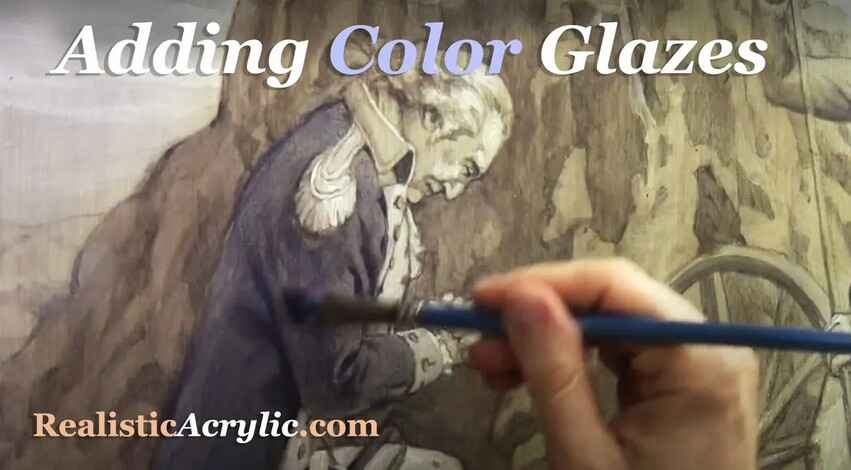
How to Add Color Glazes to Black & White Grisaille
Bring vibrant life into your acrylic portraits with the subtle power of glazing over grisaille
The Secret Behind Lifelike Acrylic Portraits
Many artists struggle with making their acrylic portraits look realistic and full of life. Often, the colors appear flat, and the transitions seem abrupt. The solution? A powerful classical technique known as glazing over grisaille.
This tutorial will guide you step-by-step on how to add color glazes to a black and white grisaille acrylic painting just like the Old Masters did. By building transparent color layers over a monochrome underpainting, you can achieve stunning vibrancy, depth, and realism.
What Is Grisaille and Why Use It?
Grisaille is a monochromatic painting technique that uses only shades of gray to establish value, form, and lighting before color is applied. It acts as a detailed foundation that allows artists to focus solely on composition and contrast without the distraction of color.
When used with acrylic glazes, this technique offers control, precision, and flexibility. Because each color glaze is transparent, the values underneath shine through, preserving your drawing while enriching it with color.
Tools & Materials You’ll Need
To get started, here are the basic materials required:
- Acrylic paints (Raw Umber Dark, Ultramarine Blue, Phthalo Blue, Alizarine Crimson, Raw Sienna, Titanium White)
- Matte medium or glazing medium
- Flat and round synthetic brushes
- A black-and-white grisaille painting (prepared ahead)
- Water container and palette
Step-by-Step: How to Add Color Glazes to Your Grisaille Painting
Step 1: Understand the Glazing Medium
A clear matte medium is mixed with small amounts of acrylic paint. This makes the paint transparent and allows it to be layered gently over the grisaille without obscuring details.
Tip: The more medium you use, the more transparent the glaze becomes.
Step 2: Start with the Foreground
Using raw umber dark mixed with raw sienna and matte medium, apply the first glaze to the foreground. This introduces warm earth tones and begins building a sense of depth.
Technique: Use broad, smooth brush strokes and build up layers slowly. Allow each layer to dry before adding another.
Step 3: Add Depth to the Background
Cool tones like ultramarine blue and raw umber are mixed to create a grayish-blue color for the distant mountains and sky. A touch of white is added to soften the transition.
Apply these glazes in multiple layers, adjusting the hue slightly to reflect atmospheric perspective. This subtle shift helps push the background back and brings your subjects forward.
Step 4: Introduce Color to Clothing and Figures
George Washington’s jacket, for example, is painted using a mix of ultramarine blue, phthalo blue, alizarine crimson, and raw umber dark. Apply thin layers, observing how the underlying grayscale defines shadows and highlights.
Tip: Avoid painting over insignias or fine uniform details. Glazes should enhance not hide the line work beneath.
Step 5: Gradually Build Up Layers
It was noted in the video that it may take many layers to achieve a rich, dimensional color. Patience is key. Each glaze builds upon the previous one, creating a luminous effect.
Remember, this process is about refinement. You don’t need to achieve full color saturation in one pass.
Tips & Techniques for Successful Glazing
- Let each layer dry completely before adding another to prevent muddy colors.
- Keep brushes clean and damp to ensure smooth blending.
- Work from dark to light when building glazes to maintain tonal structure.
- Mix cool and warm tones to create more visual interest and realistic lighting.
- Use less paint and more medium for better transparency.
- Avoid overworking one area, which could disturb the grisaille underneath.
Why Use Glazing Instead of Opaque Painting?
Glazing is ideal for artists who want to:
- Maintain the original drawing and detail.
- Add richness without repainting the entire area.
- Control the intensity and temperature of the colors.
- Create subtle transitions and atmospheric effects.
Although acrylics are known for being opaque, this method shows how they can behave more like oils with stunning results.
Why This Technique Matters
By learning how to add color glazes to your black and white grisaille, you’re unlocking a timeless method used by the Old Masters, now made accessible with acrylics. You no longer have to struggle with blending or losing detail. With each translucent layer, your portrait gains life, depth, and expression.
You can paint confidently, knowing that every step enhances what you’ve already built.
Frequently Asked Questions (FAQ)
Q: What is the best medium to use for acrylic glazing?
A: A clear matte medium or glazing medium is recommended. It increases transparency and flow while maintaining the integrity of your underlying layers.
Q: Can I glaze over any acrylic painting?
A: Yes, but the best results come from starting with a value-based grisaille painting. This ensures you have a strong tonal foundation for your glazes to sit on.
Q: How long should I wait between glaze layers?
A: Typically, 15-30 minutes depending on the thickness of your glaze and humidity. Ensure it is completely dry before layering.
Q: Will glazing make my painting shiny?
A: Not necessarily. Using a matte medium helps keep the surface flat. You can adjust gloss levels by varnishing the finished piece with a matte or satin finish.
Q: Is this technique beginner-friendly?
A: Absolutely. As long as you start with a solid black-and-white painting, color glazing can be a simple and forgiving way to explore acrylics.
LEARN MORE
- How to Paint Foliage Using the Acrylic Glazing Technique
- How to Trace for an Accurate Portrait Sketch
- How to Paint Realistic Eyes in Your Acrylic Portrait
- How to Add Raw Umber Dark & Ultramarine Blue to Your Portrait
- How to Make Your Own Raw Umber Dark
- How to Paint Realistic Trees & Grass in Your Acrylic
- How to Block In Skin Tone Values Using Glazing Technique
- How to Paint Vibrant Reds in Your Acrylic Portrait
- How to Glaze Background Colors & More Acrylic Portrait
- How to Paint White Clothing in Your Acrylic Portrait
- How to Easily Transition from a Sketch to a Painting
- How to Block In Shading & Skin Tones in Your Acrylic
- How to Build Up Color on Acrylic Pet Portrait
- How to Build Up Form on Clothing with Acrylic
- How to Paint Dark Clothing Using Acrylic Glazing Technique
- How to Paint a 24 x 30 Acrylic With 30 People
- How to Do Smooth Shading with Acrylic
- How to Sketch an Acrylic Portrait with a Grid
Read more about how to paint a portrait that you can surely be proud of!
I’d love to hear your thoughts on this video. Please share it with your friends and family. Let me know if you have any further questions. I’ll greatly help you.
If you’d like to learn more, sign up for my free email tips and video class today.
Learn How to Paint Acrylic Portraits With My Free Mini-Video Course!Thank you so much for taking the time to read this tutorial and watch the video. That means a lot to me. I hope you find it very helpful in your portrait painting.
Yours for Better Portraits,
P.S. Did you find this post helpful or encouraging? If so, send it in ahead! Let others know with the share buttons below. I’d love to hear your comments. Thank you so much! Also, do you have a question on acrylic portrait painting you’d like answered? Let me know, and I’d be happy to help!
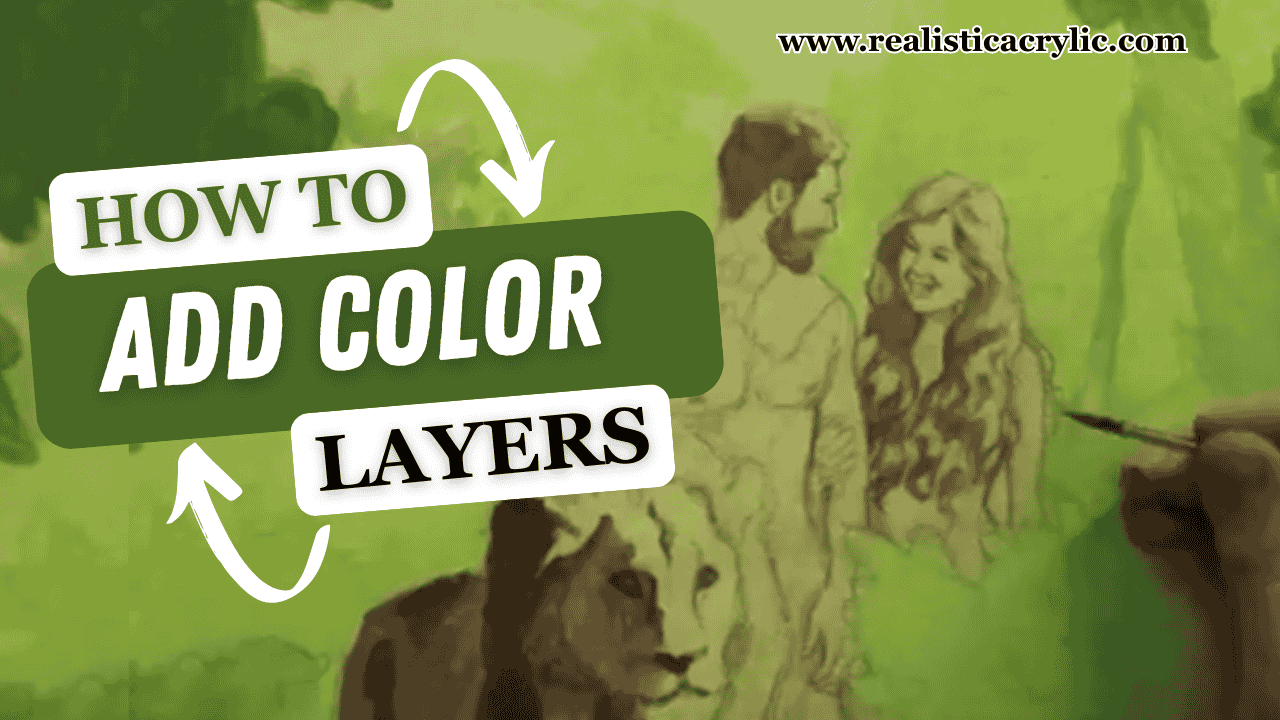
How to Add Color Layers: Wordless Salvation Picture Book.
A personal and powerful project rooted in faith
This blog post is based on a deeply moving and creative video tutorial in which I guide you through the process of painting the first illustration for a wordless picture book about salvation. My wife originally conceptualized this project. The result is a heartfelt tribute to her vision of bringing to life the Garden of Eden with Adam, Eve, and symbolic elements like the lion, all in rich acrylic tones. This is more than just a painting tutorial; it’s a fusion of technique, symbolism, and faith.
Acrylic Painting of Adam and Eve in the Garden of Eden
In this 16×20 inch canvas, I begin with a sealed sketch of Adam and Eve in the lush Garden of Eden. The painting process involves layering transparent and opaque acrylic colors to build a visually engaging and symbolic scene. The process is broken down into the following key steps:
- Toning the canvas with a base green glaze using a mixture of phthalo blue, Indian yellow, and raw sienna.
- Building up layers with deeper glazes and later adding opaque highlights for form and detail.
- Creating contrast and structure with ultramarine blue, titanium white, azo yellow, and other hues.
- Focusing on depth and realism, using cool tones for distant foliage and warmer, darker tones for foreground and character details.
- Detail work with a small round brush for hair, lion’s features, shadows, and skin tones.
- Emphasizing light and value, especially on background lighting through tree canopies.
- Emotional and spiritual significance as the painting unfolds, driven by love, memory, and purpose.
Acrylic Techniques Used in the Painting
1. Toning the Canvas with a Green Glaze
To create a unified atmosphere:
- Use phthalo blue, Indian yellow, and raw sienna.
- Mix these with a clear matte medium.
- Apply with a large flat brush over the entire surface to tint it green.
- Let the first layer dry completely before adding a second for a richer color.
2. Deepening the Foliage with Glazes
To simulate depth in the leaves and trees:
- Add a touch of ultramarine blue for shadows.
- Build contrast slowly with thin, transparent layers.
- Focus on layering darker tones under leaves and around character silhouettes.
3. Adding Opaque Layers for Structure
To define shapes and build form:
- Mix titanium white with phthalo blue, ultramarine, and raw sienna.
- Use this blend for the canopy of leaves, working in lighter tones in the background for sunlight effects.
- Use smaller brushes for fine detail and tighter edges.
4. Creating Atmospheric Perspective
To push elements into the distance:
- Blend cooler blues with white for distant trees and foliage.
- Lighten tonal values in the background.
- Maintain warmer tones (like azo and Indian yellow) in the foreground to draw the eye forward.
Detailing the Characters: Adam, Eve, and the Lion
5. Layering Over Adam and Eve
Although the green tone covers them initially:
- Begin layering shadows and highlights using raw sienna and ultramarine blue.
- For skin tones, use organic orange glazes to warm and define.
- Gradually introduce more color as you develop depth.
6. Building the Lion’s Presence
To make the lion majestic yet integrated:
- Use raw umber dark, ultramarine blue, and touches of alizarine crimson.
- Add titanium white for more opaque contrast.
- Focus on facial features eyes, nose, and mane with a small round brush.
7. Blending and Balancing the Composition
Throughout the painting:
- Balance shadows and highlights across the canvas.
- Adjust saturation and vibrancy using both transparent glazes and opaque strokes.
- Ensure Adam and Eve don’t get lost in the background by adding contrast and tonal variety.
Spiritual Reflections on the Painting Process
This artwork isn’t just about technique it’s a tribute. The artist honors his wife’s concept of a wordless gospel message a children’s book that could explain salvation without a single written word. Through visual storytelling, symbolism, and color, this first illustration sets the stage for a divine narrative.
“Even though she passed away, I want to take what she did in the past and bring it to life.”
Why This Technique Matters for Christian Illustration
- Glazing creates soft transitions, ideal for symbolic scenes.
- Layering communicates visual depth mirroring spiritual truths.
- Opaque details allow focus on expression, character, and emotion.
- Color theory helps you tell a story without words vital for wordless narratives.
Tools and Materials Used
- Canvas Size: 16×20 inches
- Brushes: Large flat for washes, small round for detail
- Medium: Clear matte medium for glazes
- Paints Used:
- Phthalo Blue
- Indian Yellow
- Raw Sienna
- Ultramarine Blue
- Titanium White
- Raw Umber Dark
- Azo Yellow
- Organic Orange
- Alizarine Crimson
Honoring Legacy Through Art
This project, born from our heart and faith, that shows how art can tell powerful stories without a single word. By blending technique, symbolism, and faith, I was able to bring a timeless truth to life on canvas.
If you’re passionate about Christian storytelling through art or want to master acrylic portrait and illustration techniques, follow along as this beautiful project unfolds.
Ready to Start Your Own Inspirational Painting?
Learn how to master the glazing technique, build a portfolio of faith-based art, and express your God-given creativity through brush and canvas.
LEARN MORE
- Sketching Your Painting Accurately
- Beginning a Pet Portrait in Acrylic
- The Mystery of Realism in Painting
- Apply A Burnt Sienna Glaze to a Portrait
- Learn How to Sketch a Portrait Freehand in 45 Minutes
- Adding highlights to your acrylic painting
- 5 Excellent Reasons to Use Aluminum Foil
- Paint Realistic Wrinkles in Acrylic
- Painting Clothing in an Acrylic Portrait
- Paint a Cloudy Sky Acrylic
- How to add Semi-Opaque Highlights
- How to Enhance the Contrast in Your Acrylic
- How to Add Glaze to Your Acrylic Painting
- Paint Realistic Reflections on Eyeglasses in an Acrylic Portrait
- Build Up Depth on Your Acrylic Portrait Backgrounds
- How Do You Do Layers With the Glazing Technique?
- Learn How to Paint Wrinkles in Acrylic
Read more about how to paint a portrait that you can surely be proud of!
I’d love to hear your thoughts on this video. Please share it with your friends and family. Let me know if you have any further questions. I’ll greatly help you.
If you’d like to learn more, sign up for my free email tips and video class today.
Learn How to Paint Acrylic Portraits With My Free Mini-Video Course!Thank you so much for taking the time to read this tutorial and watch the video. That means a lot to me. I hope you find it very helpful in your portrait painting.
Yours for Better Portraits,
P.S. Did you find this post helpful or encouraging? If so, send it in ahead! Let others know with the share buttons below. I’d love to hear your comments. Thank you so much! Also, do you have a question on acrylic portrait painting you’d like answered? Let me know, and I’d be happy to help!